
Ghana’s Education Minister calls for stronger foundational learning, evidence-based education policy and improved literacy, numeracy and learning outcomes.
By: Ferdinand Ellis | EducateGhana.com
Minister Calls for Education Policies That Improve Learning Outcomes
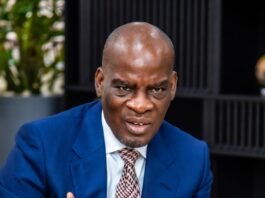
The Minister for Education, Hon. Haruna Iddrisu, has called for greater national attention to foundational learning, stressing that expanding access to education must result in measurable improvements in literacy, numeracy and overall learning outcomes.
The Minister made the call at the Ghana and Regional Foundation Learning, Evidence and Implementation Support Day in Accra, where education stakeholders discussed ways of strengthening foundational learning through evidence, research and effective implementation.
Hon. Iddrisu said education policies and investments should be guided by evidence and a clear understanding of what works for learners.
His remarks place foundational literacy and numeracy at the centre of Ghana’s broader education reform agenda, particularly as the country seeks to improve learning outcomes across the basic education system.
➡ Related: Ghana’s Pre-Tertiary Education Curriculum: Complete Guide
➡ Related: Curriculum and Assessment in Ghana: Complete Guide
Access to Education Must Translate Into Learning
The Education Minister emphasised that increased access to schools should not be considered sufficient if learners are unable to acquire essential foundational skills.
Foundational literacy and numeracy provide the basis upon which children develop more advanced knowledge and skills throughout their education. Weaknesses at this stage can affect learners’ ability to engage successfully with later stages of the curriculum.
The Minister therefore called for greater attention to the quality of learning alongside efforts to expand educational opportunities.
The position also highlights the importance of measuring whether education policies are producing the intended outcomes for learners.
➡ Related: Inclusive Education in Ghana: Complete Guide
➡ Related: Primary Education in Ghana: Curriculum, Teaching and Assessment
GALOP Shows How Evidence Can Guide Education Investment
Hon. Iddrisu cited the Ghana Accountability for Learning Outcomes Project (GALOP) as an example of how evidence can be used to identify schools requiring targeted intervention.
According to the Minister, GALOP identified 10,579 low-performing basic schools for targeted support.
The identification of low-performing schools allows education authorities and development partners to direct resources towards schools and communities where additional intervention is most needed.
This approach reflects a wider shift towards using education data and learning evidence to inform decisions about resource allocation, teacher support and school improvement.
➡ Related: GALOP in Ghana: Complete Guide to the Education Project
➡ Related: Educational Planning and Statistics in Ghana
Ghana Expands Digital and Technical Skills Education
The Minister also highlighted government efforts to introduce digital and technical skills into education.
Among the areas mentioned were:
- Coding
- Robotics
- Electronics
- Artificial intelligence
The inclusion of these areas reflects the growing importance of digital and technical competencies in education and employment.
For schools, the challenge will include ensuring that teachers have the knowledge, training and resources required to teach emerging digital skills effectively.
➡ Related: AI and Digital Education in Ghana: Complete Guide
➡ Related: AI and Digital Education in Ghana: Teacher Training Guide
World Bank Links Foundational Skills to Ghana’s Jobs Agenda
Robert Taliercio O’Brien of the World Bank stressed the importance of foundational skills to Ghana’s employment and economic development agenda.
His contribution reinforced the argument that education access and learning outcomes should be considered together.
A child who attends school but leaves without adequate literacy, numeracy and other foundational competencies may face difficulties progressing through further education or entering productive employment.
The emphasis on foundational learning therefore has implications beyond the classroom. It is also connected to Ghana’s longer-term human capital and jobs agenda.
➡ Related: Technical and Vocational Education in Ghana: Complete Guide
➡ Related: Ghana TVET Service: Programmes, Institutions and Admission Guide
UK Development Partners Emphasise Literacy and Numeracy
Representing the UK Foreign, Commonwealth and Development Office (FCDO), Terri Sarch said foundational literacy and numeracy provide a gateway to future learning and employment.
The emphasis reflects the need to ensure that children acquire core skills early enough to support their continued educational development.
Foundational learning is therefore not confined to one subject or one stage of schooling. Reading, writing and numeracy influence learners’ ability to understand and engage with other areas of the curriculum.
➡ Related: Teaching and Learning Resources for Ghanaian Teachers
➡ Related: Classroom Management Strategies for Teachers in Ghana
Partnerships and Education Evidence
Karen Shormeh Tei of the Jacobs Foundation and Skills Funders highlighted the role of partnerships in strengthening evidence-based education policy.
She also pointed to the importance of the Ghana Education Evidence and Data Lab in supporting the use of evidence in education decision-making.
Partnerships between government, development organisations, researchers and education practitioners can help strengthen the link between research findings and classroom implementation.
For Ghana, the central issue is ensuring that evidence generated through research and education data contributes to practical improvements in teaching and learning.
➡ Related: Action Research in Education: Complete Guide
➡ Related: Mentoring in Teacher Education in Ghana
What Foundational Learning Means for Ghanaian Schools
The renewed focus on foundational learning has implications for basic schools, teachers, education managers and policymakers.
For teachers, it reinforces the importance of identifying learning gaps early and using appropriate teaching strategies to address them.
For school leaders, learning evidence can help identify areas requiring intervention and support.
For policymakers, the focus raises questions about how education resources are distributed and whether interventions are producing measurable improvements in learner outcomes.
The emphasis on evidence also means that education programmes should increasingly be assessed according to their effectiveness and their impact on learners.
➡ Related: Teaching Practice in Ghana: Requirements and Guidelines
➡ Related: National Teachers’ Standards in Ghana: Complete Guide
EducateGhana Analysis
Educational Significance
Foundational learning is central to the development of successful learners. Literacy and numeracy provide the skills children need to engage with the wider curriculum and progress through subsequent levels of education.
Policy Implications
The Minister’s position points towards a stronger connection between education investment and measurable learning outcomes. Identifying low-performing schools through projects such as GALOP can support more targeted interventions.
Implementation Considerations
Evidence-based education requires reliable data, trained teachers, appropriate learning resources and effective monitoring. The introduction of coding, robotics, electronics and artificial intelligence will similarly require investment in teacher preparation and infrastructure.
Future Outlook
Ghana’s education agenda is likely to increasingly combine foundational learning with digital and technical competencies. The challenge will be to ensure that new initiatives strengthen the basic learning skills on which more advanced education depends.
➡ Related: Ghana’s Pre-Tertiary Education Curriculum: Complete Guide
➡ Related: Teacher Education and Training in Ghana: Complete Guide
Why You Can Trust This Information
This article is based on statements and information presented at the Ghana and Regional Foundation Learning, Evidence and Implementation Support Day in Accra. EducateGhana.com presents the information in an editorial format while retaining the substance of the statements attributed to the education authorities, development partners and education stakeholders.
Frequently Asked Questions
1. What did Ghana’s Education Minister say about foundational learning?
Hon. Haruna Iddrisu called for greater attention to foundational learning and stressed that increased access to education should result in improved literacy, numeracy and learning outcomes.
2. What is foundational learning?
Foundational learning refers to essential skills, particularly literacy and numeracy, that learners need to progress successfully through education.
3. What is GALOP?
GALOP is the Ghana Accountability for Learning Outcomes Project, which uses targeted interventions to improve learning outcomes in basic schools.
4. How many low-performing schools did GALOP identify?
The Minister cited 10,579 low-performing basic schools identified for targeted support.
5. Why is evidence important in education?
Evidence can help policymakers identify effective interventions, allocate resources and assess whether education programmes are improving learner outcomes.
6. Which digital skills did the Education Minister mention?
The Minister mentioned coding, robotics, electronics and artificial intelligence.
7. Why are literacy and numeracy important?
They provide essential skills that learners need to understand and participate successfully in other areas of the curriculum and prepare for future education and employment.
8. What role does the World Bank see for foundational learning?
The World Bank linked foundational skills to Ghana’s jobs agenda and stressed the importance of improving learning outcomes alongside access to education.
9. What role can partnerships play in education?
Partnerships can support research, evidence generation, implementation and the development of policies aimed at improving learning outcomes.
10. What is the Ghana Education Evidence and Data Lab?
It is an initiative highlighted at the event for strengthening the use of education evidence and data in policy and decision-making.
Conclusion
Ghana’s Education Minister has called for a stronger national focus on foundational learning, arguing that access to education must be accompanied by meaningful improvements in what learners know and can do.
The discussion also highlighted the importance of evidence in directing education resources, with GALOP cited as an example of targeted support for low-performing schools.
At the same time, Ghana is expanding attention to digital and technical skills such as coding, robotics, electronics and artificial intelligence. The effectiveness of these reforms will depend partly on the strength of the foundational literacy and numeracy skills on which further learning is built.
About the Author
Ferdinand Ellis is an education blogger, curriculum specialist, researcher and education policy analyst. He is the Founder and Editor of EducateGhana.com. His work focuses on curriculum studies, teacher education, educational assessment, AI in education and evidence-based education reform.
Last Updated: August 2026